
 Buyer protection


Contents
- What Does Donkey Milk Really Taste Like?
- Why Does Donkey Milk Taste Slightly Sweet?
- Why Does Donkey Milk Feel Less Creamy?
- Cold, Chilled, or Heated: What Changes?
- Does Donkey Milk Powder Taste the Same as Fresh...
- What Expectations Lead to Disappointment?
- What Is the Mild Taste Suitable For?
- Taste Is an Experience, Not a Health Promise.
- Frequently Asked Questions
- Discover the Product Forms
- Scientific Classification
What Does Donkey Milk
Taste Like?
A sensory journey of discovery exploring natural sweetness, a light texture, and why milk is not always the same.
What Does Donkey Milk Really Taste Like?
Donkey milk is often described as mild, slightly sweet, and less creamy than whole cow's milk. However, perception is individual: temperature, fat content, freshness, and familiarity all influence how it tastes. A serious taste comparison therefore describes typical impressions—it is not a promise that every batch will taste the same.
Mild
An often subtle, milky base character.
Slightly Sweet
A sensory impression partly due to lactose.
Light
Often less creamy than whole cow's milk.
Why Does Donkey Milk Taste Slightly Sweet?
Natural milk sugar, lactose, contributes to its flavor profile. According to literature, donkey milk often contains around 5.8 to 7.4 grams of lactose per 100 milliliters, while cow's milk usually contains around 4.6 to 5.0 grams. This does not mean that the perceived sweetness increases proportionally with the lactose content: fat, proteins, aroma, and serving temperature all change the overall impression. Important: Donkey milk is not lactose-free and is not automatically suitable for people with lactose intolerance.

Comparing Characteristics
The following scales are an illustrative classification of typical descriptions, not measurements from a sensory study.
Why Does Donkey Milk Feel Less Creamy?
Donkey milk typically contains less fat than whole cow's milk. Fat influences mouthfeel, viscosity, and the impression of richness. Therefore, donkey milk often feels lighter and thinner. This is not a quality issue, but a different composition. A comparison with low-fat cow's milk is different from a comparison with whole cow's milk; the fat content must be considered in every statement.
Cold, Chilled, or Heated: What Changes?
At low temperatures, aromas are often perceived as more subtle. As the temperature rises, aroma and taste impressions may become more pronounced. The texture also feels different. Raw milk is not a drink that should be tasted unheated for taste reasons alone: Heat natural raw milk sufficiently before consumption. Then, follow the instructions for safe cooling and storage. Taste descriptions should always refer to hygienically prepared milk.
Does Donkey Milk Powder Taste the Same as Fresh Donkey Milk?
Not necessarily. Freeze-drying removes water; after mixing, a milk-based drink is created again. However, the impression depends on the amount of powder, water quality, temperature, and complete dissolution. A different concentration changes the sweetness, body, and intensity. For a fair comparison, always use the product's dosage instructions and assess both versions at a similar drinking temperature.
What Expectations Lead to Disappointment?
Anyone expecting particularly creamy milk like whole cow's milk may find the lighter texture surprising. Anyone looking for lactose-free milk is also mistaken to choose donkey milk. And anyone expecting a highly exotic aroma due to its rarity may be surprised by its rather mild character. It is worth distinguishing between taste, nutritional value, use, and price before purchasing.
Check Expectations
Donkey milk is neither cream nor lactose-free milk.
Choose the Product Form
Fresh, frozen, or freeze-dried—each with different handling requirements.
Prepare Hygienically
Heat raw milk sufficiently; prepare powder according to the manufacturer's instructions.
What Is the Mild Taste Suitable For?
The mild natural taste can be interesting when the milk itself is meant to be the focus. In recipes, however, heat, other ingredients, and mixing ratios strongly influence the taste. For baked goods, coffee, or desserts, a direct substitution for cow's milk cannot be universally promised: The lower fat and protein content can change the consistency and processing. It is useful to try smaller test batches before adapting a larger recipe.
Taste Is an Experience, Not a Health Promise.
The uniqueness of donkey milk lies in its distinctive sensory profile and composition. This does not automatically imply a health effect.
Learn more about the composition in the post Donkey Milk Ingredients and in the Comparison with Cow's Milk.
Frequently Asked Questions
Is donkey milk sweet?
Many describe it as slightly sweet. Perception is individual and is influenced by lactose, temperature, and other components.
Does donkey milk taste like cow's milk?
Both are animal milks, but donkey milk often feels lighter and less creamy than whole cow's milk.
Is donkey milk lactose-free?
No. Donkey milk usually contains even more lactose than cow's milk.
Is donkey milk suitable for people with a cow's milk protein allergy?
Not necessarily. Donkey milk contains milk proteins; a medical assessment is necessary for allergies.
Can you taste raw donkey milk directly?
Natural raw milk should be heated sufficiently before consumption.
Why does donkey milk powder taste different?
Dosage, water quality, temperature, and processing can influence the taste of the prepared milk.
Is donkey milk suitable for infants?
It is not a substitute for breast milk or approved infant formula.
Discover the Product Forms

Fresh Donkey Milk
Natural donkey milk, delivered frozen. Follow the instructions for safe preparation.
View Fresh Donkey Milk
Donkey Milk Powder
Freeze-dried and can be prepared in portions according to the product instructions.
View Donkey Milk PowderScientific Classification
Typical differences in lactose, fat, and proteins are described in review articles on milk composition. Specific sensory perceptions may vary; the graphic scales in this post are not study measurements.
- Roy et al. (2020): Composition, Structure, and Digestive Dynamics of Milk From Different Species: A Review. Frontiers in Nutrition.
- USDA FoodData Central: Nutritional database for cow's milk.
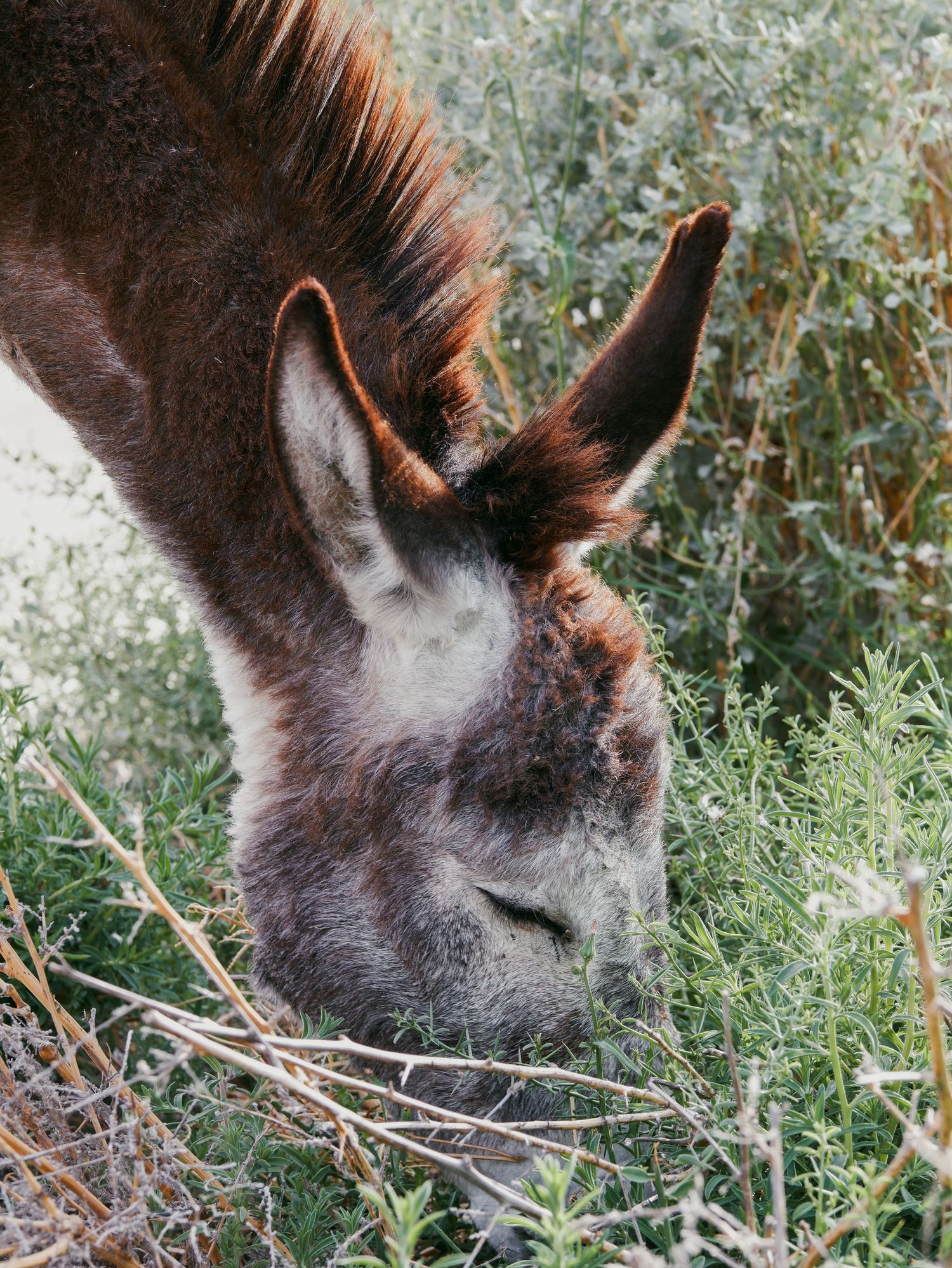
The images show symbolic milk and nature motifs and do not document the actual production at DON DONKEY’S®. Pexels image sources: David Selbert, Charlotte May, and Ann Perkas.





